
Sleep & Calm Support: Giving the Body Space to Rest and Restore
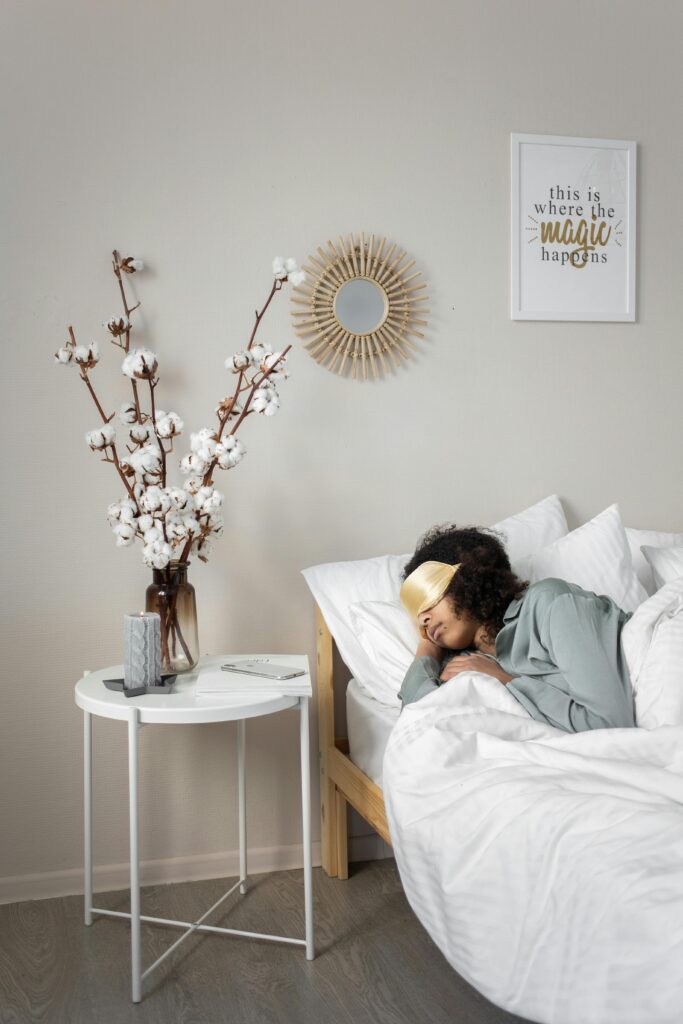
When sleep is off, the effects can show up everywhere. The body may feel more tense, the mind may feel more scattered, patience may run thinner, and recovery can feel slower than it should. Some people feel tired but cannot settle. Others fall asleep but do not stay asleep. Still others wake up feeling like they rested, but not deeply enough to feel restored. When that pattern continues, it can affect far more than the nighttime hours.
At Cellular Blueprint Wellness, we believe sleep and calm deserve thoughtful attention because true rest is part of the body’s terrain, that internal environment that shapes resilience, energy, healing, and how well a person functions through the day. A body that rests well often handles life differently than a body that is running on strain, overstimulation, and interrupted sleep. That is one reason sleep support is never just about bedtime. It is about helping the body find a steadier rhythm from the inside out.
For those who want more personal support in this area, we also offer individualized coaching programs designed around the person, not just the symptom. Some people are dealing with stress. Some are overtired but wired. Some are navigating hormonal shifts, overstimulation, poor evening habits, or a nervous system that never seems to fully settle. Sometimes thoughtful guidance can help make the pattern clearer and the next steps gentler.
Sleep Is Not a Luxury, It Is a Foundation
Many people have learned to treat sleep like it is optional.
They push through late nights, busy minds, irregular routines, and constant stimulation, then wonder why the body no longer feels steady. But sleep is one of the main ways the body restores itself. It is part of how the body resets, recalibrates, and recovers from the strain of the day. When sleep is poor, the effects often show up in mood, focus, stress tolerance, cravings, energy, and the general sense of how well the body is holding together.
That is one reason sleep support matters so much. It is not a side issue. It is one of the foundations of daily wellness.
Terrain and the Body’s Need for Rest
When we talk about terrain, we mean the body’s internal environment.
Sleep is one of the clearest places where terrain either becomes stronger or more burdened. If the nervous system is overworked, if evenings are overstimulated, if the body is carrying too much stress, or if daily rhythms are inconsistent, the terrain often reflects that strain. And when the terrain is strained, sleep may become lighter, shorter, more interrupted, or harder to enter in the first place.
This is why we do not look at sleep only through the narrow lens of being tired. We look at the bigger picture. Is the body getting enough stillness to settle? Is the pace of life too fast? Is the mind carrying too much into the evening? Is the body being supported in ways that encourage rest instead of resistance?
Those are terrain questions, and they matter.
Heartset and the Struggle to Settle
Heartset fits naturally here because sleep struggles are often emotional as well as physical.
A person who cannot settle at night may also be carrying worry, tension, frustration, or the discouragement of another night that did not go the way they hoped. Over time, bedtime itself can begin to feel stressful. The body gets tired, but the mind braces. The person wants rest, but the whole system feels guarded or unsettled.
That is where heartset matters.
A gentler heartset makes room for grace. It helps take the pressure off. Instead of treating poor sleep like a failure, it allows a person to respond with kindness and patience. That matters, because the body often settles more easily in an atmosphere of safety than in an atmosphere of frustration.
Spiritset and the Rhythm of Calm
Spiritset belongs here in a very natural way.
The body often responds to rhythm. It responds to light, pace, routine, and the sense of whether the day is winding down or still running full speed. Many people are trying to sleep while their nervous system is still carrying the pace of the entire day. Screens stay bright. Thoughts stay busy. Stimulation stays high. Then bedtime comes, and the body is expected to shift instantly into peace.
It usually does not work that way.
Spiritset reminds us that calm is often something we cooperate with, not something we can force. Sometimes the body needs a quieter transition into the evening. Less noise. Less rush. Less pressure. More margin. More gentleness. More space to breathe.
Sometimes the body does not only need sleep support. Sometimes it needs a calmer runway into sleep.
What Gentle Sleep Support Often Looks Like
For many people, sleep and calm support begins with simple things that are easy to underestimate.
It may mean creating a steadier evening rhythm. It may mean dimming lights earlier, reducing stimulation, turning off screens sooner, or giving the mind and body more time to come down from the day. It may mean being more consistent with bedtime and wake time. It may involve paying attention to caffeine, late meals, stress patterns, or habits that keep the body more activated than restful.
For some, gentle calming support may also have a place. Certain tools, routines, or formulas may help encourage relaxation and a greater sense of ease. But even then, the goal is not to overpower the body. The goal is to support the conditions in which rest can come more naturally.
That is an important difference.
A More Whole-Person Way to Think About Sleep
The most helpful way to think about sleep is not as a nightly performance test.
It is as part of the body’s overall rhythm.
That means looking beyond the bedtime moment itself and asking what the body has been carrying all day. Has there been enough recovery? Enough quiet? Enough nourishment? Enough margin for the nervous system to settle? Or has the body been asked to run hard all day and then somehow fall asleep on command?
At Cellular Blueprint Wellness, we believe sleep and calm support should be approached with compassion, wisdom, and a whole-person view. The goal is not to chase unconsciousness. The goal is to help support deeper rest, healthier rhythm, and a greater sense of ease over time.
Deep rest is one of the body’s most important healing tools. When sleep is poor, the body often feels it in many areas at once. But when the body begins to settle more deeply, many people notice the difference in their energy, mood, recovery, and overall resilience.
If your nights have felt restless, your mind has felt too busy, or your body has had a hard time finding ease, it may be asking for support in deeper ways than simple exhaustion alone.
Sometimes better sleep begins by helping the whole system feel safer, calmer, and more supported.
If you are looking for deeper guidance, Cellular Blueprint Wellness offers personalized coaching programs to help you better understand what your body may be asking for and how to support it in a clear, caring, whole-person way. Our $83 consultation is a gentle starting place. We take time to listen to your history, concerns, and symptoms, and help you decide whether a more personalized plan, additional testing, or added support may be helpful.
There is no pressure, just a thoughtful conversation designed to bring more clarity, direction, and peace of mind.
Psalm 4:8 “I will both lay me down in peace, and sleep: for thou, LORD, only makes me dwell in safety.”
Medical Disclaimer:
This article is provided for educational purposes only and is not intended to diagnose, treat, cure, or prevent any disease. It is not medical advice and should not replace care from your physician or qualified healthcare provider. Always speak with your healthcare professional before starting any supplement, making significant lifestyle changes. Each person’s history, needs, and response to care are unique.
Supplement Notice:
Statements about dietary supplements and wellness products have not been evaluated by the Food and Drug Administration. These products are not intended to diagnose, treat, cure, or prevent any disease.
Sleep & Calm Support, References
- National Heart, Lung, and Blood Institute. What Are Sleep Deprivation and Deficiency?.
- National Heart, Lung, and Blood Institute. Why Is Sleep Important?.
- Centers for Disease Control and Prevention. About Sleep.
- Centers for Disease Control and Prevention. Sleep.
- National Heart, Lung, and Blood Institute. Sleep Health.
- Office on Women’s Health. Sleep Health.
- National Center for Complementary and Integrative Health. Stress.